- The latest meta-analysis of organic agriculture says it can feed the world.
- The latest update on saving the wild ginseng adds pretty much nothing to previous updates.
- The latest look at Aboriginal land burning says it did no damage.
- The latest study of insects as feed says they’re good for you. Still no word on whether they’re good.
- Not sure whether I’ve ever seen a study linking biotech corn for biofuels with the abandonment of rotation, but it makes sense. And more.
- The latest investigation of early childhood nutrition still says it’s important.
- The latest Italian food scam involves painting olives.
- The latest pean to crop wild relatives says it’s still about control, man.
- The latest report on dams again says you have to be careful.
Nibbles: History edition
- No, I don’t think the history of potatoes is at an end, but I know what they mean.
- The history of rubber in pics.
- The history of the wheat dwarfing gene.
- Svalbard makes history.
- Sicily goes back into its history for its daily bread.
- Another foothold in history for Gary Nabhan.
- History, shmistory, we need to look forward. Biohacking is the future of food. Say twelve year olds.
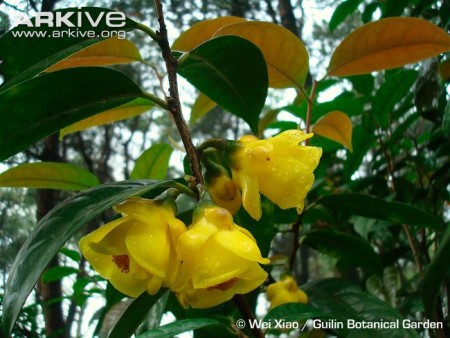
A valentine for a crop wild relative
Kudos to Botanical Gardens Conservation International (BGCI) for nominating a crop wild relative as their favourite unloved species. I’m sure we can think of a few more…
Nibbles: Solutions edition
- No new salinity tolerance in cereals? You need to look at the right thing.
- No new crops? Focus on plants’ sex lives.
- No hope for drylands? Look to biodiversity.
- No new agricultural land? No problem.
- No data on neglected Himalayan crops? Got you covered.
- No way you’re drinking coffee from civet droppings? Chemistry to the rescue.
- No place for the offspring of F1 hybrids in your agriculture? Go apomictic.
- No new fruits left to try? Hang in there.
- No diversity in your Aragonese homegarden? There’s a genebank for that.
- No impact for your agricultural research. Try clusters.
- No agroecological patterning to your crop’s genetic diversity? It’s the culture, stupid.
Brainfood: Barley landrace evaluation, Aceh cattle, Zizania diversity, French apple cores, Vanuatu food security, Tomato genomics, Cacao fermentation, Wild foods, Activist anthropologists, Ancient wheats
- Performance of 50 Lebanese barley landraces (Hordeum vulgare L. subsp. vulgare) in two locations under rainfed conditions. 47 individual plants were as good or better than the 2 checks in terms of grain yield per plant.
- Phylogenetic analysis of Aceh cattle breed of Indonesia through mitochondrial D-Loop region. A specific haplotype, mainly indicus but with some taurus.
- Genetic diversity assessment of in situ and ex situ Texas wild rice (Zizania texana) populations, an endangered plant. Diversity is dynamic in situ, and some of it is missing ex situ.
- Genetic Diversity, Population Structure, Parentage Analysis, and Construction of Core Collections in the French Apple Germplasm Based on SSR Markers. 2163 accessions divide into Old Dessert, Old Cider, and Modern Cultivar subgroups.
- Community Food Security: Resilience and Vulnerability in Vanuatu. High population pressure associated with shorter fallows but higher yields, not associated with purchasing of imported foodstuffs. Not clear what high crop diversity associated with.
- Using genomic repeats for phylogenomics: a case study in wild tomatoes (Solanum section Lycopersicon: Solanaceae). Repetition can be useful.
- The cocoa bean fermentation process: from ecosystem analysis to starter culture development. It takes a microbial community.
- Wild harvest: distribution and diversity of wild food plants in rice ecosystems of Northeast Thailand. There’s much more to rice than rice.
- Free seeds and food sovereignty: anthropology and grassroots agrobiodiversity conservation strategies in the US South. Activist anthropology for better food systems.
- Comparative Study of Hulled (Einkorn, Emmer, and Spelt) and Naked Wheats (Durum and Bread Wheat): Agronomic Performance and Quality Traits. Will need to fiddle with classic baking techniques.