- You can’t patent a plant’s formal name, can you?
- Brazilian banana meeting roundup.
- Building Institutions for Sustainable Scientific, Cultural and genetic Resources Commons. a conference. h/t CAPRi.
FAO fruit art display
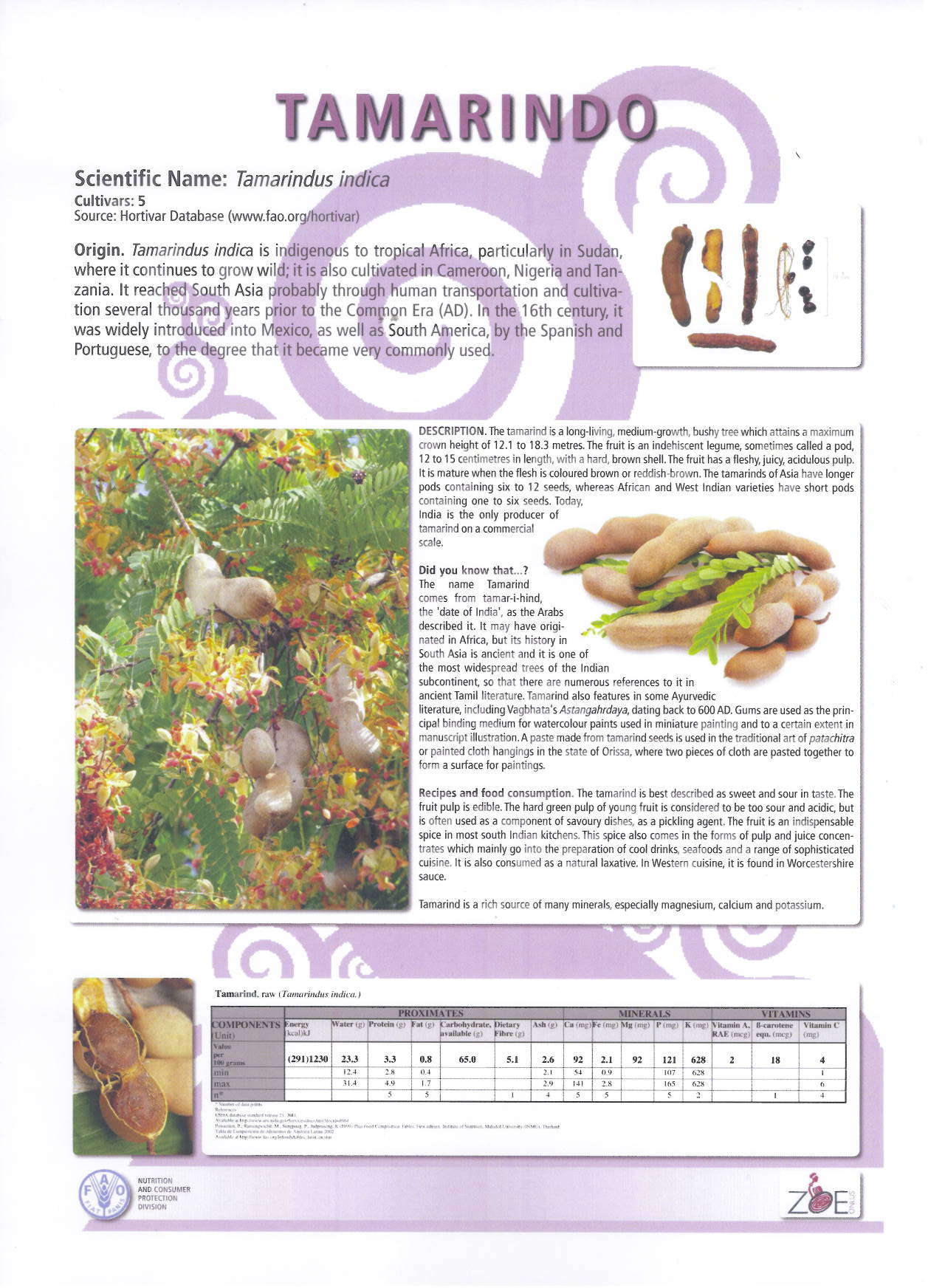 Clearly, I need to learn to stay on things at least a beat longer. Watching this made me seasick, and I knew what was coming. Anyway, the display is in FAO’s Flag Room. The posters (and accompanying fact sheets) are from FAO’s Nutrition and Consumer Protection Division and cite the Hortivar Database, which is a new one one me. And no, baobab wasn’t there.
Nibbles: Bioinformatics, Extension, Apples, Potatoes, Research, Cacao genebank, Cassava hope, Rice and Striga
- Bioinformatics for Dummies. Not that anyone I know needs it.
- Are there simpler ways to close the yield gaps in developing countries? Indeed, there are, but they’re not very sexy.
- And speaking of low-hanging fruit: How the apple took over the planet.
- Tuber diversity. Miss Hathorn is showing off the progeny of some true potato seed. And by true, I also mean truly potato.
- USDA ARS ♥ CGIAR ♥ USDA ARS
- And Trinidad & Tobago ♥ CFC, ICCO and Bioversity.
- Nigeria pins green revolution hopes on cassava. Is it ever a good idea to pin your hopes on just one thing?
- NERICA’s Striga problem deconstructed.
Sweet potato photo
I spoke too soon about that Smithsonian article on the potato.
In 2008 a Lebanese farmer dug up a potato that weighed nearly 25 pounds. It was bigger than his head.
It was indeed bigger than his head, and nearly 25 pounds in weight, but it looks like Ipomoea batatas to me. Why is it that people think any crop that grows below ground must be Solanum tuberosum? Even when it’s a sweet potato or an oca.
Nibbles: Bourdeix, Early ag, Amaranthus in beer
- Dr Roland Bourdeix is the new COGENT Coordinator.
- Early American hunter-gatherers ate maize.
- Dogfish Head crowdsources a new beer. And it’s got NUS. Rejoice.