- Ethnobotanical and genetic assessments of Central American avocado landraces reveal novel sources of biodiversity and ancient migration patterns. DNA from landraces, and interviews with farmers, show that people transported and cultivated avocados across the Americas long before European contact, with landraces from lowland Nicaragua and Honduras in particular showing evidence of ancient migration from South America.
- The Circle of Seeds: An Ethnography of Seed Guardianship and the Making of Agroecological Futures in Paraná, Brazil. Community seed banks depend on relationships of care, reciprocity and collective labour, especially among women farmers, and not just on knowing how to store seeds properly. Though that helps, clearly.
- iNaturalist as a Tool to Improve Agroecological Biodiversity Knowledge: An Ecuadorian Case Study. A citizen science platform can strengthen agroecological biodiversity knowledge, but more efforts are needed to engage farmers.
- Are agroecological practices pro-poor? Evidence from smallholder farms in Zimbabwe. Farmers using agroecological practices were generally wealthier and their farms were more diverse in crop and livestock species, but the association between the use of improved practices and diet outcomes was inconsistent.
- Regenerative agriculture for dietary diversity and food security in Zambia. Agroecological practices were positively correlated with improved dietary quality and food security, including (though not exclusively) through farm production diversity. No word on the wealth of the farmers involved.
- Indigenous Peoples’ knowledge systems and practices for climate survival. Indigenous knowledge systems, including of farmers, offer tested approaches to climate adaptation and resilience that warrant a central place in responses to environmental change.
- Guardians of Agricultural Biodiversity: Farmer Perceptions and Sustainability of Local Seed Varieties in Turkish Highlands. Farmers continue to maintain local seed varieties, driven as much by social, cultural and market considerations as by agronomic performance. But they need support.
- Religion, spirituality and faith of Swiss farmers in relation to biodiversity-linked farming behaviour. Farmers’ religious and spiritual values can shape biodiversity-friendly management decisions, showing personal belief systems are important in conservation. Even in Switzerland.
Nibbles: Museum of Cider, Aport apple, Rattan genebank, Sri Lanka rice, Saudi coffee landscapes
- In the UK, Herefordshire’s Museum of Cider is picking up national recognition for its genebank of heritage apple trees. The BBC’s canonical autumnal apple story comes a little early this year.
- Speaking of iconic apples, Kazakhstan is scaling up efforts to bring back the Aport, the giant heirloom that once made Almaty famous. No word of museums, though. Or cider.
- Over in the Philippines, Department of Environment and Natural Resources is beefing up its rattan genebank to keep pace with demand, with forest stewards in Bukidnon planting seedlings to match. Furniture makers need genebanks as much as cider makers.
- Sri Lanka’s pre-Green Revolution heirloom rice varieties, purana haal, are being eyed for their resilience and disease-management potential. Good thing they’re in the national genebank.
- Saudi Arabia’s Jazan terraced coffee farms are turning into rural and ecotourism hotspots, proving not all agrobiodiversity needs to be in a genebank to survive. But it helps.
Smelling the heirloom coffee
Yet more on agrobiodiversity marketing in Kenya. This time it’s coffee.
Spring Valley Coffee gives out nifty little cards on all its products, providing information on the varietal composition of different blends, and where the beans that go into each are grown.
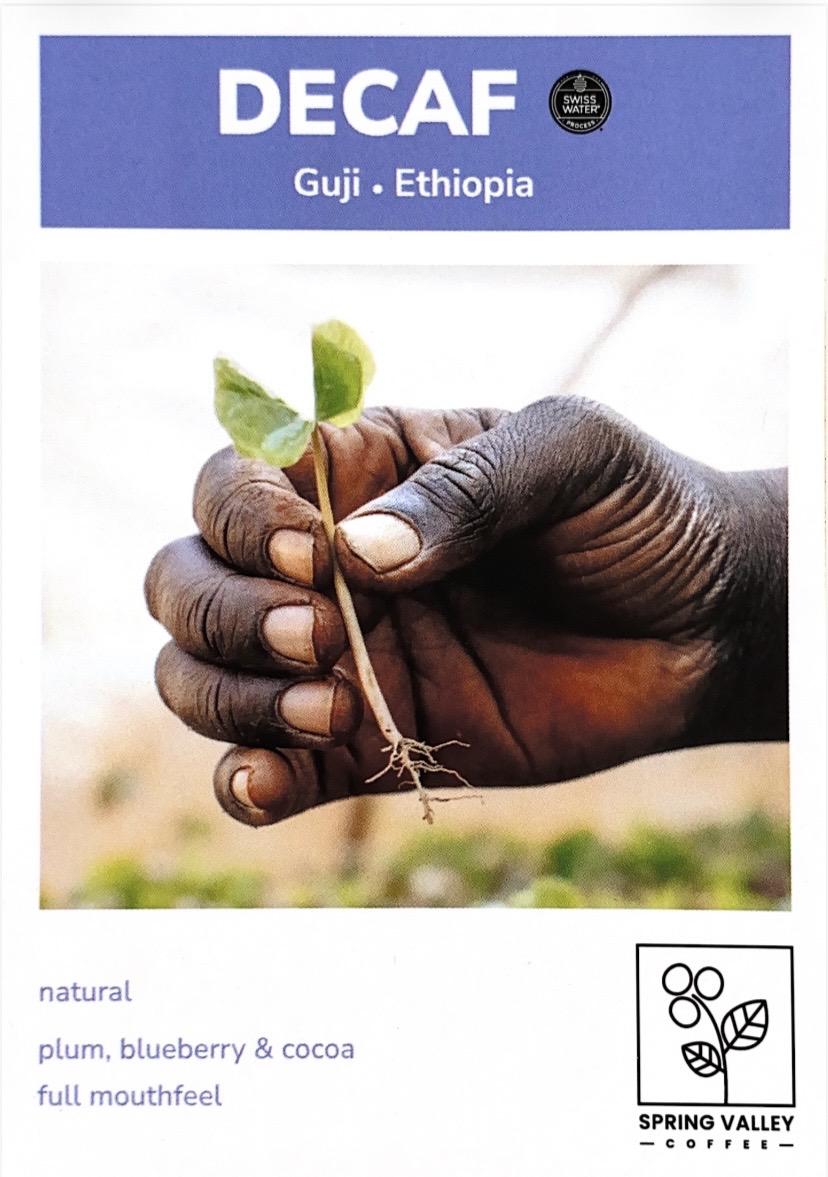
This decaf from Guji in Ethiopia caught my eye in particular…
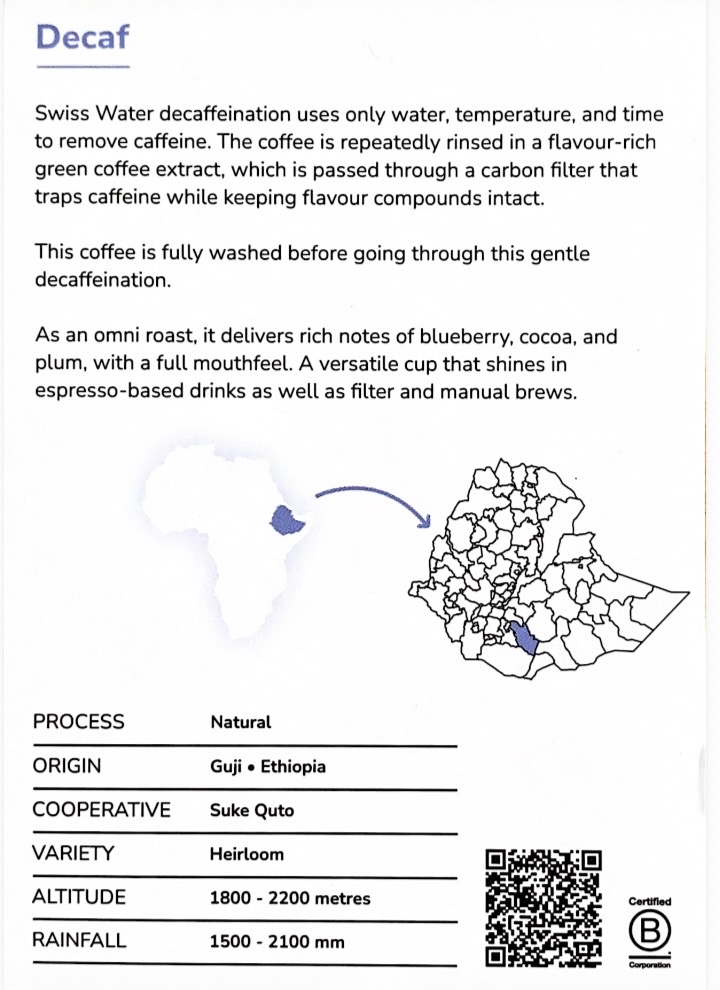
…because the variety involved is a heirloom. But also because if you’re going to those lengths, why not quote its local name?
Anyway, still a pretty nice idea.
High on taro
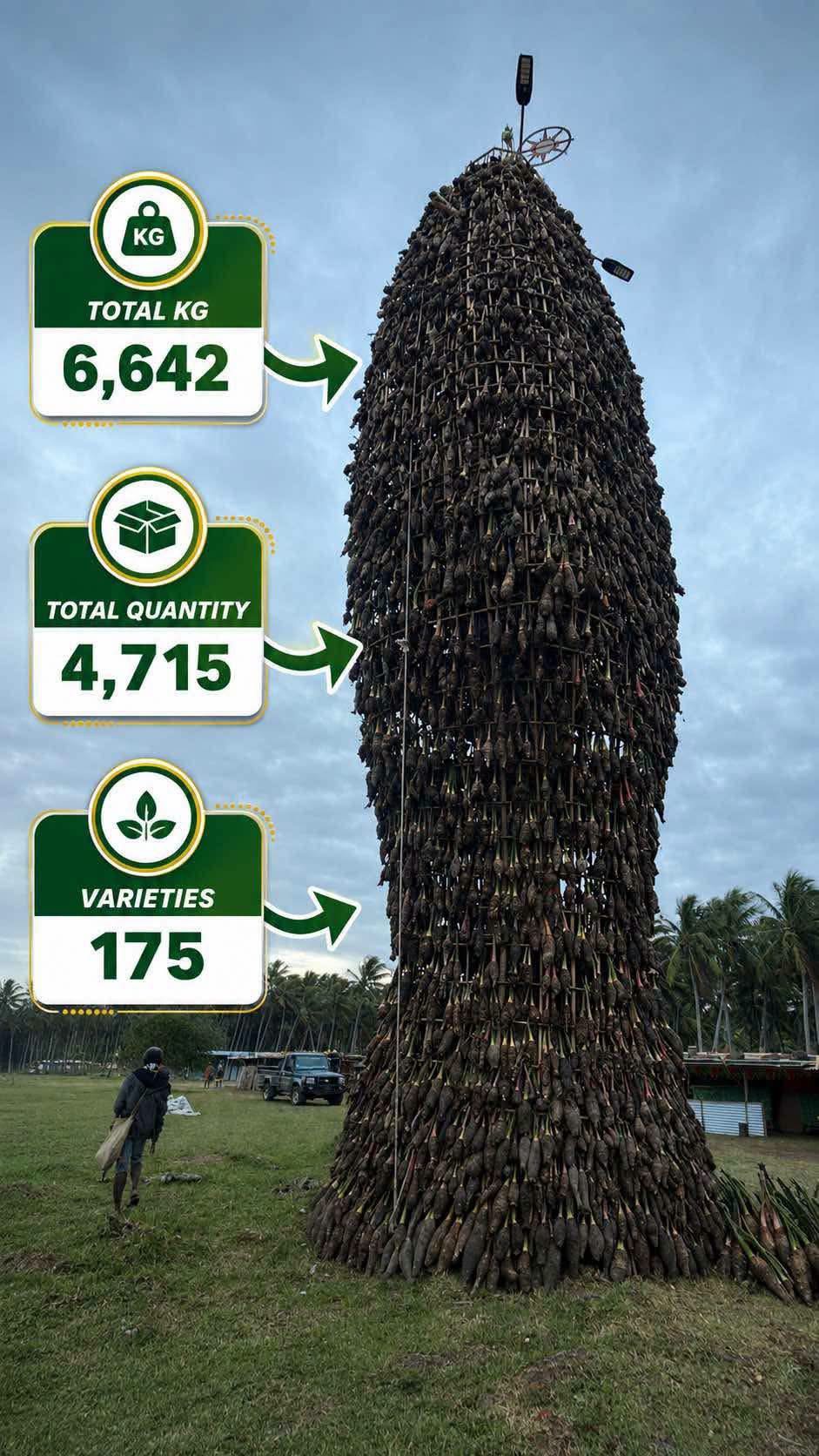 The South Pacific nation of Vanuatu is having its National Agriculture Expo 2026 from August 3–7, 2026, on the northern island of Maewo. I’ve scoured the internet for information about this, but all I could find was social media posts, which I won’t link to, but you can find for yourself quite easily. I will, though, share, with thanks, this photo from one of those posts from Facebook. It’s of the 20-metre tower built by the taro farmers of Maewo, showcasing their product. Because it’s amazing.
The flour of Kenyan agrobiodiversity marketing
Here’s the latest in my continuing series of posts on interesting approaches to marketing agricultural biodiversity here in Kenya.
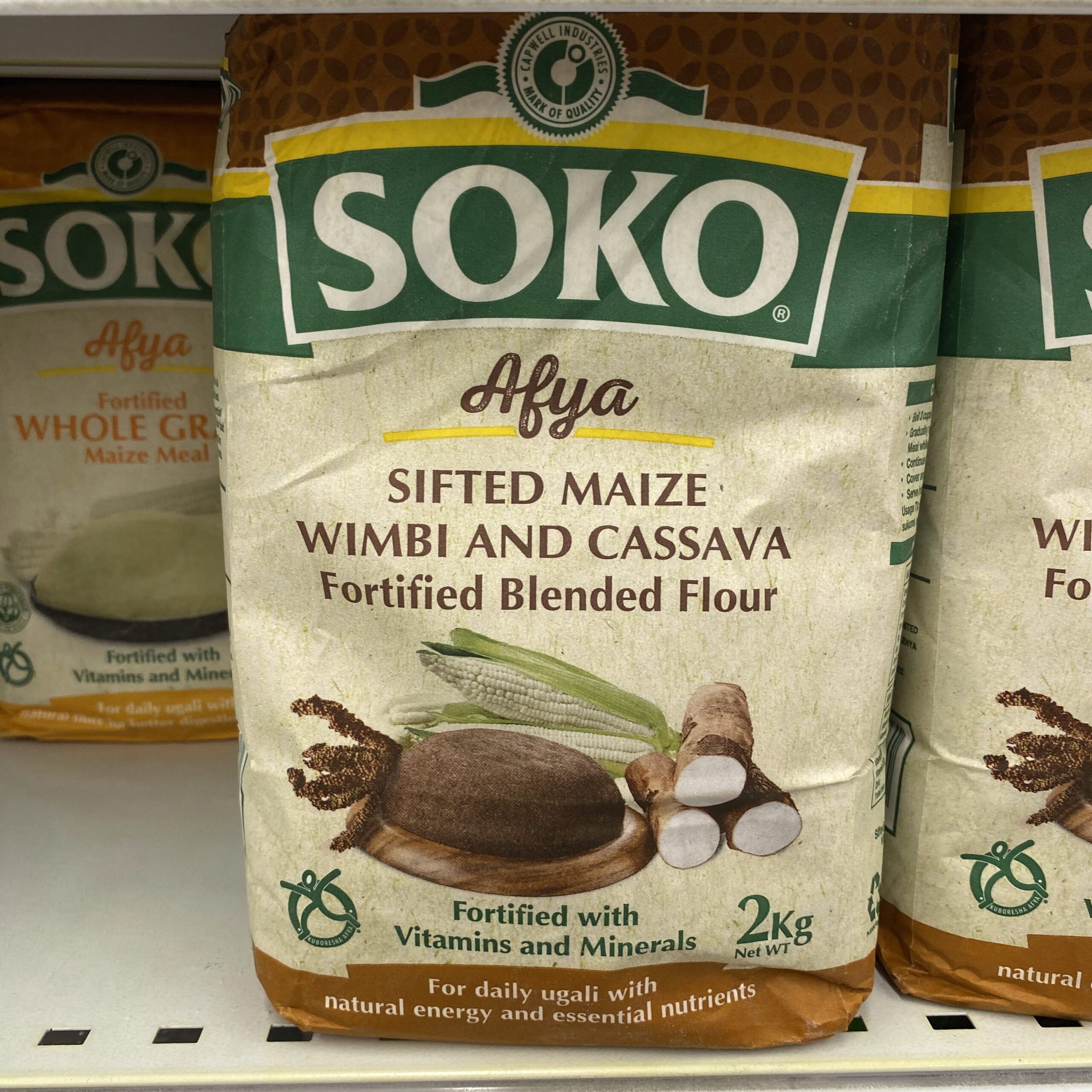
I was pleasantly surprised by this product, which seems to add finger millet and cassava to your basic maize flour for making ugali. A nice way to add taste and nutrients. And support some minor crops.
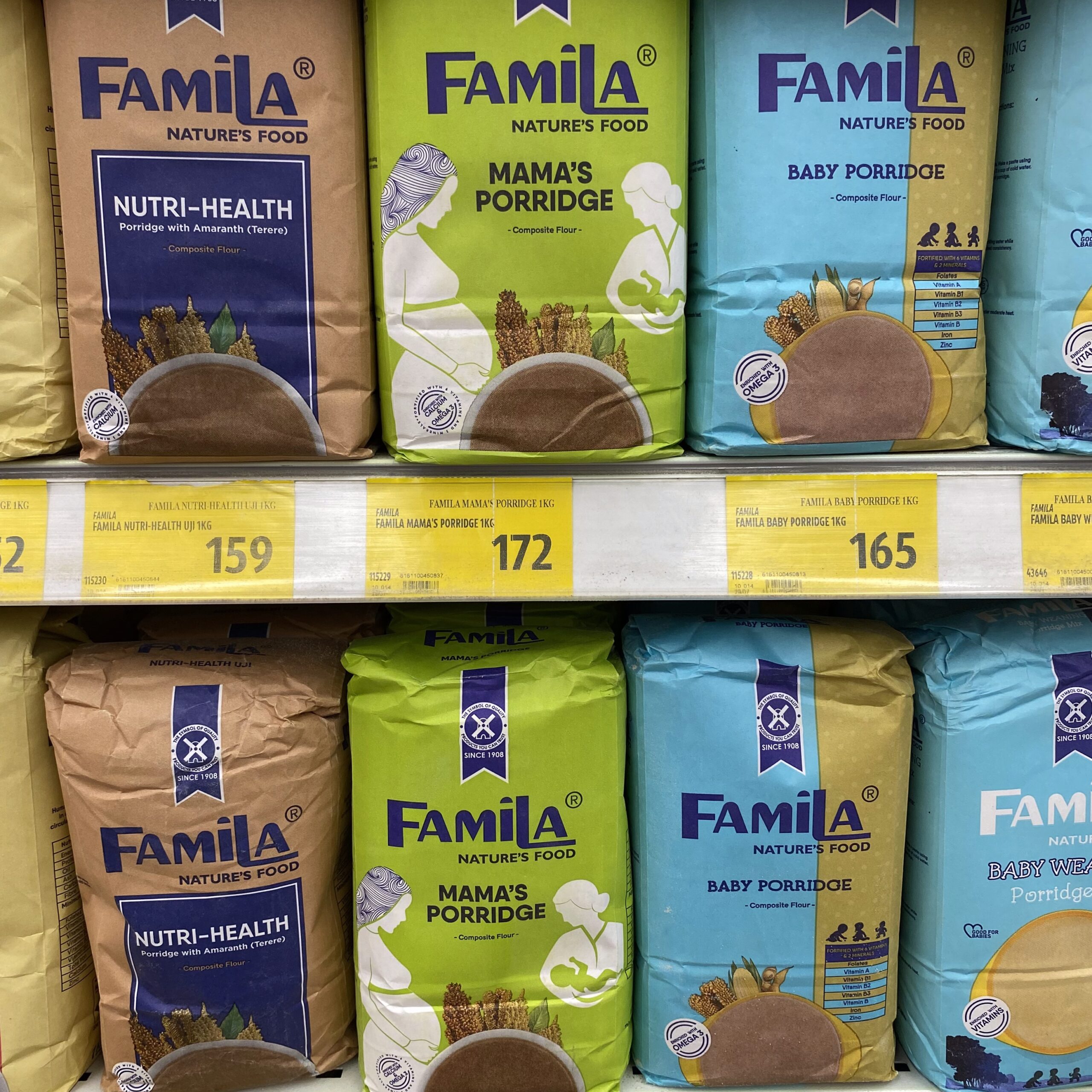 And this line of porridges is quite impressive, in the range — and presentation — of both their composition and consumer targeting.