Amazonian ethnobotany from the beginning

The main rubber tree, which the British took to Malaysia, was the basis of all plantations. There are nine other plants in that same group from which the Indians once got rubber. But the plantations had started to supply the world with better and cheaper rubber than the Indians had been producing under terrible — almost slave — conditions. So the Indians had three or four generations when they hadn’t tapped wild rubber, and we were sent into the various countries to try to stimulate this for the war effort. I had been in the Amazon of Colombia, so I went right back among my Indians, and I worked on that during the war.

That’s the Father of Modern Ethnobotany, Richard Schultes, in part of a long interview he gave in 1990 for something called the Academy of Achievement. You can read it, listen to it, or watch videos of it. Fascinating.
Brainfood: Medic systematics, Fruit wine, Alfa paper, Marula diversity, Cardamon pollination, Protein, Ants, Peanuts, Truffles, Ethiopian barley, Citrus diversity, Biofuel trees, Honeybush, Czech garlic

Nibbles: Beautiful models, Beautiful bank, Organic FAO, Eskimo diet, Indian medicinals, Maya nut studentship, Fishy infographics

Making the most of bitter gourd diversity at AVRDC

Another interesting agrobiodiversity piece in AVRDC’s newletter today:

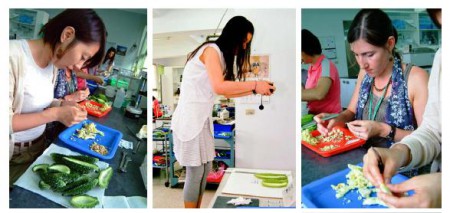
The AVRDC Nutrition group is locked in a struggle with a cucurbit – and so far, warty Momordica charantia appears to be winning! As part of the project “A better bitter gourd: exploiting bitter gourd to increase incomes, manage type 2 diabetes, and promote health in developing countries,” researchers have begun preparing samples of the vegetable for later laboratory analysis.

Interested? “Like” the project’s Facebook page then!

Nibbles: Cryo, Tree diversity, Agroforestry, Seed industry, Trigonella, Ancient MesoAmerica, Niche models