
Jaremy’s post reminded me that I’d come across this photo on Flickr some time back, and made a mental note that it might come in useful one day.
Pavlovsk mainstay passes away
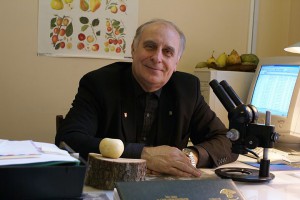 Leonid Burmistrov, Leading Scientist of the Fruit and Berry Crop Genetic Resources Department of the N.I. Vavilov Institute of Plant Industry (VIR) in St Petersburg, has died. From the recent announcement on the VIR website:
Leonid Burmistrov has made a significant contribution to the preservation of the threatened fruit and berry crop collections located at the Pavlovsk Experiment station of VIR. He gave 60 interviews to the Russian and foreign mass media. Thanks to his efforts, the collection continues to exist.
Evaluating maize for nutritional quality

You think they’re discussing this sort of thing at the “Leveraging Agriculture for Improving Nutrition and Health” conference? You think they’re also discussing dietary diversity?
Agriculture being leveraged in Delhi
The IFPRI 2020 Conference on “Leveraging Agriculture for Improving Nutrition and Health,” is off and running in New Delhi, India. If you can’t be there in person, at least there’s a Twitter feed. Impressions from participants always welcome.
LATER: There’s a blog too, of course.
Latest on the Egyptian Deserts Gene Bank
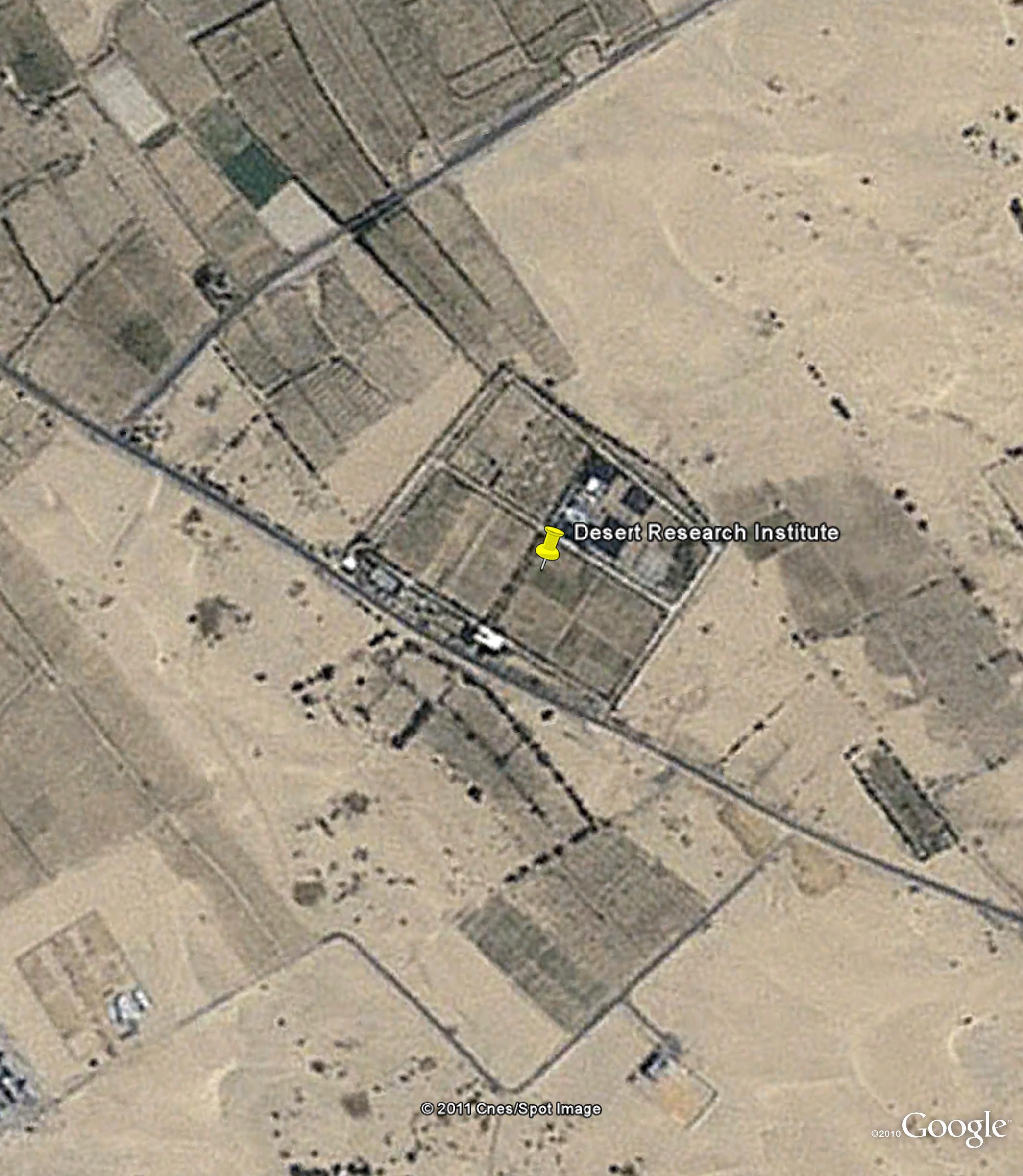 We’ve heard more from El-Sayed Mohamed El-Azazi, who’s doing a PhD at the Desert Research Centre on seed conservation of Acacia spp. (“Ecophysiological studies for some Acacia species grown in Egyptian Deserts and its conservation in gene bank” is the title). You’ll remember that the place was looted a few days ago, and people are justifiably worried about the Egyptian Deserts Gene Bank housed by the institute.
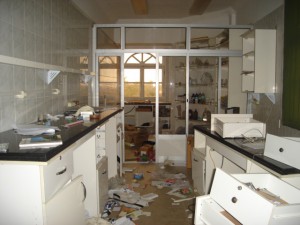 El-Sayed is adamant that the seeds and field genebank are safe. However, it is clear that the laboratories have been thoroughly trashed, and a lot of equipment broken or taken.
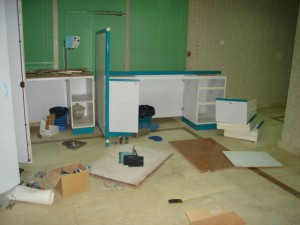 Along with the computers went a lot of data. El-Sayed says he has lost some of his PhD data. And the genebank’s database seems to be gone, although the passport data is still around in hardcopy. There are about 1100 accessions in the genebank, of about 750 wild plant species.
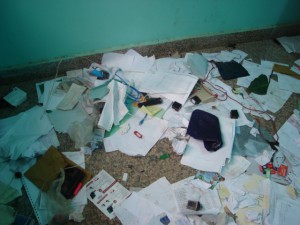 Which brings up a point that’s maybe not often addressed. And that is that the desirability of safety duplication goes as much for the data about germplasm accessions as for the seeds themselves.
A Svalbard for data, anyone?