Joanna Linsley-Poe is a “chef, artisan bread baker, ancient food historian, food archaeologist and anthropologist as well as a writer. Although that sounds like quite a mouthful, I guess it’s all about a love of history and food.” We can relate to that! Joanna started blogging at Ancientfoods in September last year. I’ve added her to our blogroll and subscribed to her RSS feed.
Day 1 at the Amman drylands conference
The international conference on Food Security and Climate Change in Dry Areas got off to a stirring start with a long, passionate and scientifically very literate speech from the guest of honour, HRH Prince El Hassan Bin Talal. That was followed by keynotes from Drs Mahendra Shah and Mahmoud Solh, who have a huge amount of experience at the highest level of agricultural research and strategic planning in this region and beyond. Now, I did tweet some key points from their talks via my mobile, but as I write this over lunch they haven’t turned up in our stream yet. For all I know, they never will. Wifi access in the conference room is problematic, so you may have to be satisfied with these occasional summaries.
Anyway, here are some selected soundbites — the agrobiodiversity themed ones, mainly — from the morning session, including the Q&A:
Abu Ghraib genebank rises from the ashes, thanks to Sanaa
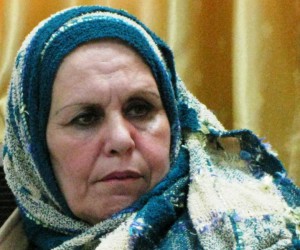
Meet Mrs Sanaa Abdul Wahab Al-Sheikh. She used to work at the old Iraqi national genebank at Abu Ghraib. That genebank was looted and destroyed in the aftermath of the invasion. But Mrs Sanaa says she saved about a thousand accessions by hiding them underground and in her fridge. She now works at the new, rebuilt Iraqi national genebank at Abu Ghraib, under the State Board for Seed Testing and Certification. And the accessions she saved from the old collection have been joined by hundreds of others that she’s been collecting from farmers’ fields since 2004. A remarkable person.
Following the Food Security and Climate Change in Dry Areas conference
ICARDA and partners have organized an international conference on Food Security and Climate Change in Dry Areas. Plenty of agrobiodiversity on its menu, no doubt. It starts tomorrow, and you’ll be able to get a blow-by-blow account on the CGIAR’s climate change blog, Rural Climate Exchange. And possibly here too, but we’ll see.
Bring on the meta-meta-analysis of organic agriculture’s benefits
Whether or not organic food brings nutritional benefits over conventional food has been a matter of considerable inquiry and debate. The issue came to a head last month when a study commissioned by the UK’s Food Standards Agency (FSA) concluded that there is no evidence of nutritional superiority.
Now, however, a review published in the journal Agronomy for Sustainable Development has said drawn wildly different conclusions.
Oh, this will run and run, you mark my words…