- Genetic Identity in Genebanks: Application of the SolCAP 12K SNP Array in Fingerprinting and Diversity Analysis in the Global In Trust Potato Collection. 11 mismatches between 250 original samples and their putative in vitro counterparts.
- Maize seed cryo-storage modifies chlorophyll, carotenoid, protein, aldehyde and phenolics levels during early stages of germination. But do the effects last?
- Sharing aquatic genetic resources across jurisdictions: playing ‘chicken’ in the sea. Fish resources need cooperative governance too.
- Imminent extinction in the wild of the world’s largest amphibian. Because it’s a luxury food, believe it or not.
- Community structure informs species geographic distributions. Include coexisting species in niche models for better results.
- Increasing plant diversity with border crops reduces insecticide use and increases crop yield in urban agriculture. Planting soybeans, maize and vegetables around rice was bad for pests and good for profits in Shanghai.
- Where are Europe’s last primary forests? Mountains, mainly.
- Seeds in space. Orbiting Svalbard, anyone?
- Resistance Genes in Global Crop Breeding Networks. Networks for cassava, potato, rice, and wheat “are clustered due to phytosanitary and intellectual property regulations, and linked through CGIAR hubs.”
- Plant Mating Systems Often Vary Widely Among Populations. One estimate is never enough.
Wheat landraces get together
As part of the 1st International Conference of Wheat Landraces for Healthy Food Systems, the local host is planning a field day that would showcase a variety of wheat landraces, including those sent in by conference participants.
Another nice idea.
Hen Gymro "old Welsh" landrace wheat on a trip to Italy for #ICWL18 #IWLC18 #landraces #anciengrains https://t.co/rdpRffavN9 for @Brockwell_Bake & @WelshGrain , Andrew @scotlandbread & Eyal @e5bakehouse checking how it has travelled, looking good. pic.twitter.com/kFEniNFqIr
— Brockwell Bake (@Brockwell_Bake) June 15, 2018
Nibbles: Phenotyping drones, Citrus history, Potato museum, Mango database, Florilege, Endicott Pear, Landrace booze, Neolithic Revolution, Easy mapping
- Breeding grass while high. Probably not what you’re thinking.
- When life gives you ancient lemons.
- Potato Museum gets new website.
- Mango gets a database.
- So do France’s genebanks.
- The oldest living cultivated fruit tree in North America? I think not, but interesting nevertheless.
- Whiskey goes heirloom.
- Excerpt from Spencer Wells’ Pandora’s Seed on the Neolithic Revolution.
- Our occasional contributor Robert Hijmans sings the praises of mapping with R.
Where is Utrecht blue wheat from?
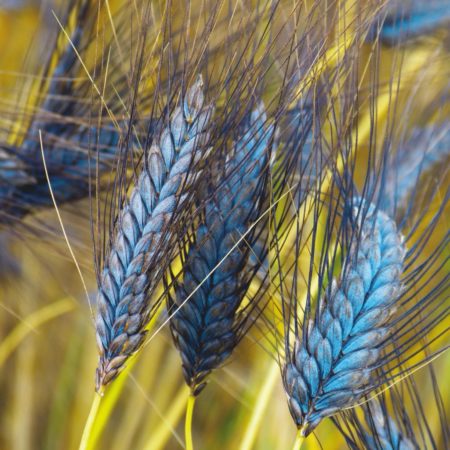
We have this beautiful wheat in our collection, received from Sharon Rempel. However, we cannot trace it coming from the NLD. Utrecht area was not a wheatgrowing area. In the early 1900s durum and emmer was not grown in NLD. If any one knows its origin, please let us know!
— Centre for Genetic Resources, the Netherlands (@CGN_Wageningen) June 12, 2018
Can you help our friends at CGN? There is a wheat of this name in Genesys whose origin is given as Canada, but I can find no Utrecht in that country.
Botany schooled about crop genebanks
So, thanks to an invitation from graduate students, I was able to give a lecture in the University of Cambridge Botany School (as was) auditorium about 35 years after last listening to one there. A somewhat emotional experience. Here’s the talk, minus a cute though entirely superfluous Google Earth zoom into the Svalbard Vault because that made it too big for SlideShare.