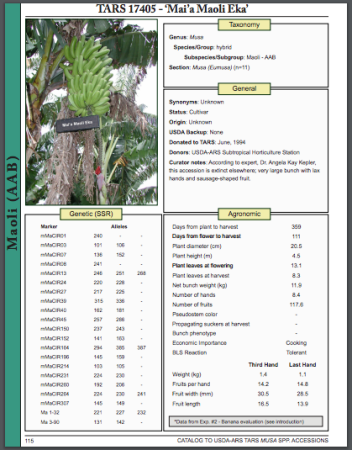
Brainfood: Camel diversity, Livestock vs wildlife, Tunisian fig diversity, In vitro artichokes, Habanero diversity, Sorghum diversity double, Greek cherry diversity, Barley domestication, Omani bananas, IBPGR collecting, Buckwheat flow

Answering the big genebank questions

A couple of important conferences are coming up and, as readers know, we like to keep on top of such things. So if you’re going, and would like to blog for us, or are thinking of tweeting the proceedings, let us know. Some big questions are being pondered, so it should be fun.

First on the agenda is the Tri-Societies meeting, this year in Minneapolis, on 15-18 November. 1 With that, the conoscenti will know, goes the award of the Frank N. Meyer Medal for Plant Genetic Resources, which on this occasion will be presented to Dr Paul Gepts, who I believe is an occasional reader of our blog. Congratulations to Paul, who will deliver a lecture entitled A More Intensive Use of Crop Genetic Resources? Hopeful Future or Business As Usual? The answer seems, perhaps not surprisingly, to depend on more and better data.

Then in January there is PAG XXIV in San Diego and its Genomics of Genebanks workshop. Particularly intriguing is a talk from our friends at the International Potato Center, who ask Are you getting what you ordered from your genebank? The answer to that question seems to be: not always, but we’re working on it. Somebody mention better data?

Nibbles: Apple duo, Biofortified lentil, Wild sweet potatoes, African supermarkets, Trees on farms, Botanic gardens history, Funny honey, Spice trade, Byzantine bread, Seed longevity, Edible wilds

Brainfood: Wild barley diversity double, Sesame diversity, Coconut genome size, Giant anteater, Sucking mangoes, Teff development, PhilRice, Korean soybeans, Coffee forest management, Switchgrass diversity, Yam diversity

Nibbles: Seed Treaty, Grelo festival, Large tomatoes, Saffron collecting, Enset redux, Grassland diversity, Census 2016, Organic definition, Dalit seeds, Ancient wheat DNA, Ancient American farmers, Tree adaptation, Syrian crops at OFN