- Does the pressure for impact compromise research? Thought-provoking post from CIFOR’s Director General.
- FAO wants your opinion on the FAO/IPGRI List of Multi-crop passport descriptors. They probably don’t need you to tell them that IPGRI has changed its name. Or do they?
- Ocapoppin’ at Rhizowen acres; 100 varieties! I’ll alert the National Geographic.
- Sacred groves sustain bio-cultural richness in Yunnan forest. Still.
US national programme gets it together
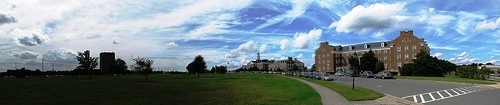
The Plant Germplasm Operations Committee gets together every year to help the National Plant Germplasm System of the USA operate. It has just had its 2011 meeting in Beltsville, MD, with representatives from the national genebanks of Brazil, Mexico and Canada in attendance, and the presentations are online. They provide an interesting glimpse into the workings of a national system which in many ways serves the whole world.
Nibbles: Beautiful models, Beautiful bank, Organic FAO, Eskimo diet, Indian medicinals, Maya nut studentship, Fishy infographics
- Official confirmation of the need for better crop growth models.
- More on CIP’s high-tech spud bank. In other news, CIP also has banks of other Andean roots/tubers, but don’t get me started on that one.
- “FAO has relegated organic agriculture to a footnote in the discussion of food security in the long run.” Fighting talk. Wonder if that will change with the new DG.
- Cook like an Inuit.
- Cultivating medicinal plants in India. Let’s see how that goes.
- Wanna study the Maya nut?
- More great Guardian infographics, aquatic edition.
- “This one tastes like cotton candy.” Breeding strawberries the hard way.
Roads not taken
British Library has online stuff on agrobiodiversity shock
This page is from the tractate Kilayim (which translates as ‘of two kinds’) which deals with the laws regarding forbidden mixtures of species in agriculture, breeding and clothing. It forms part of Zera’im (Seeds), one of the six divisions or orders of the Mishnah. Added to the text is Moses Maimonides’s commentary translated from the original Arabic. The diagrams show ways of dividing up plots of land to grow permitted types of seeds and mixed species. This book itself was printed in Naples in 1492 by Joshua Solomon Soncino, and was the first to contain the complete text of the Mishnah.
One of the many treasures awaiting you at the British Library, this one in the gallery section. And there’s more to come.