- The International Symposium on Aromatic and Medicinal Plants, 3-6 November 2008 in Noumea, New Caledonia. Anyone interested in live blogging it for us? He asked, to thunderous silence.
- Modern Forager on the traditional diets of some funky places.
- IRRI flickrs rice photos. Another day, another neologism. Via.
- The lengths people will go to exchange agrobiodiversity. Sorry, I have a thing about maps of trade routes. Via.
- Australian woman adopts Italian cucumber.
- Corn domesticated even earlier in Ecuador.
- Sweet potato may have got to the Pacific islands by chance.
- The truth about those hipster farmers; “it must be true, I read it in the paper”.
Kroo Bay story
Something else about agricultural biodiversity and health today. I’ve been following the diary that Adama Gondor has been keeping for the BBC — she runs a clinic in Kroo Bay, a notorious slum on the outskirts of Freetown, Liberia. The shanties of Kroo Bay are built on a garbage dump on the banks of a river, so Adama is very busy. If you wanted to have a picture in your mind of what extreme poverty and malnutrition and disease mean — but believe me I would understand it if you didn’t want to have such a picture in your mind — you should have a look at the website Save the Children have put together on Kroo Bay: it has some truly heartbreaking pictures and videos.
Anyway, I just wanted to say something about Adama’s post from a week or so back. It’s a sort of microcosmical illustration of various points we’ve been making about how important agrobiodiversity is — or, alas, could be — for development. A severely malnourished baby is brought in, and is eventually referred to a free therapeutic feeding centre in Freetown. She’s been eating nothing but rice porridge. So you start to think about how different things might have been if her mother had had access to leafy greens, or even Golden Rice for that matter. Both of which we’ve blogged about.
And then there’s the fact that the baby has been sick and has been given traditional herbal remedies — that’s all her mother could afford. Adama seems a bit ambivalent about this: she’s ok about externally applied remedies but thinks that internally administered preparations need to be better understood, especially if given to young babies. Again, we blogged a few times about initiatives around the world to study and “certify” traditional herbal medicines.
Malaria pics
I don’t think you need to have had malaria to be profoundly moved by John Stanmeyer’s photographs for National Geographic 1, though no doubt it helps. The New Agriculturist gathered some thoughts on the link between malaria and agriculture some years back. I picked up my dose here:
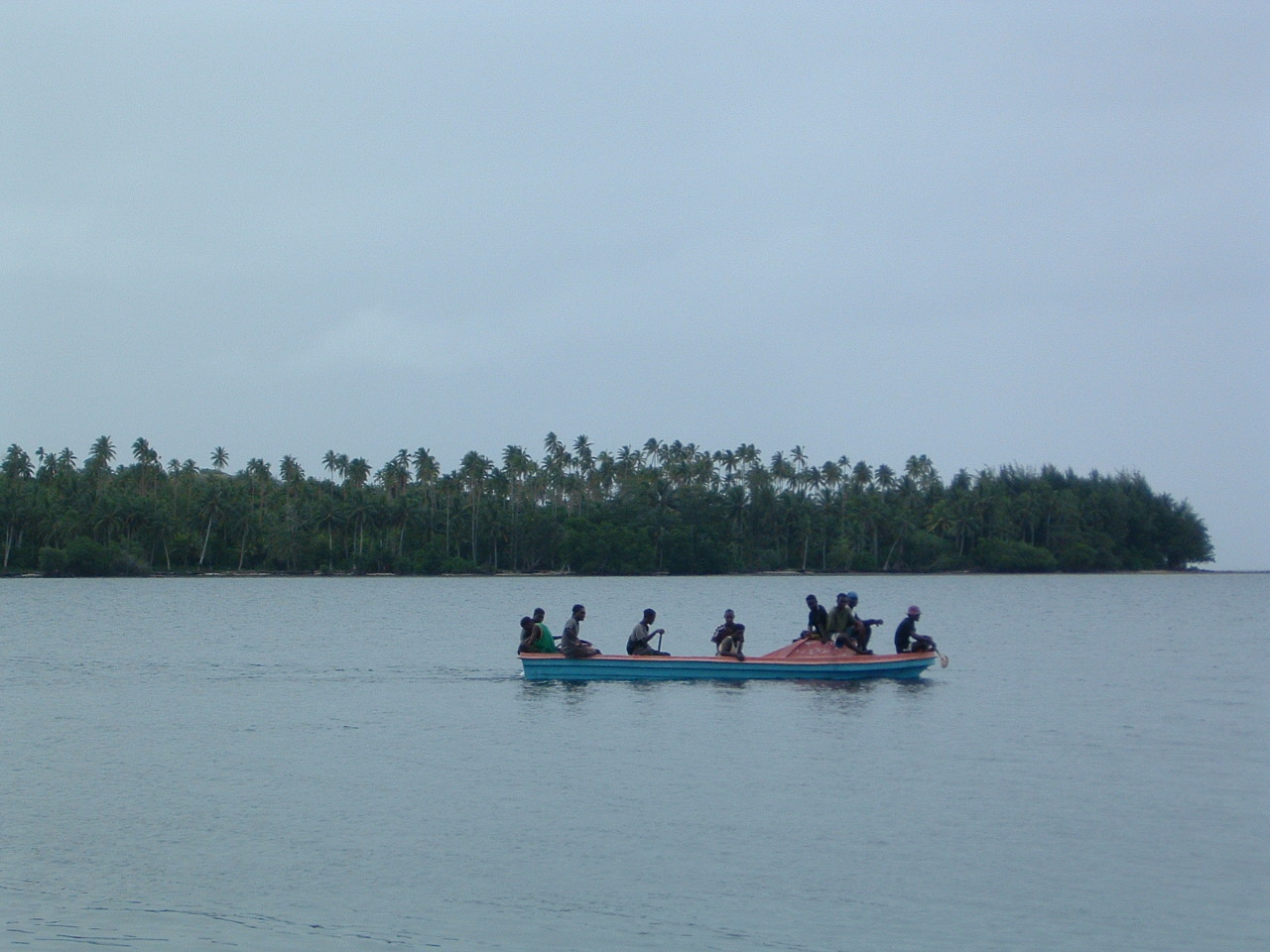
But I didn’t have to cope with it while also trying to grow enough food for my children. And talking of pictures on watery themes, check out these from the BBC on a Nigerian (cat)fishing festival.
Nibbles: Potatoes, livestock, artemesia
- File under “never too late”: Ireland diversifies its potatoes.
- UK establishes livestock breeds committee. Not concerned about species?
- “All I think of is more and more artemesia,” says shilling millionaire Ugandan farmer.
Nibbles: Honey, seeds, bioprospecting, chocolate
- Haagen Dazs understands. No bees = no honey and no fruit.
- Over-excited about seeds. Jeremy comments, “It’s that time of the year”.
- South Korea bioprospecting in Costa Rica.
- A round-up of recent (bad) news on the chocolate front.
- Namibia: no country for vegetarians.