The Big Picture, a wonderful round-up of great photographs hosted by The Boston Globe, takes a look at the harvest.
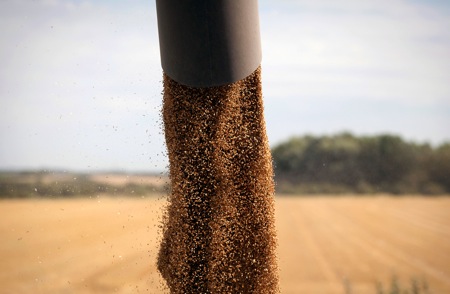
Harvest is a time of plenty, when the season’s hard work is rewarded by bounty. Many of the rhythms of our lives are shaped by the gathering of crops, even if most of us now live in cities. Worldwide, festivals and rituals mark the passage from growing season to harvest, with indigenous and popular practices making fall in the Northern Hemisphere a festive time. This year sees a reduced harvest in much of the world as extreme weather decimated many regions. Half of the United States is in prolonged drought, as well as much of Europe. In India, the monsoon is 20 percent off the annual average. Food prices are expected to rise by 2013 as demand taxes supplies, and later the price rises will transfer to the meat industry as costs of feed for livestock are passed on. Gathered here are images of farms industrial and traditional, crops critical and obscure, and harvest festivals among drought and bounty.
All the images are just stunning, and a reminder of both the similarities and the differences of cultures around the world.