Maize hits the heights

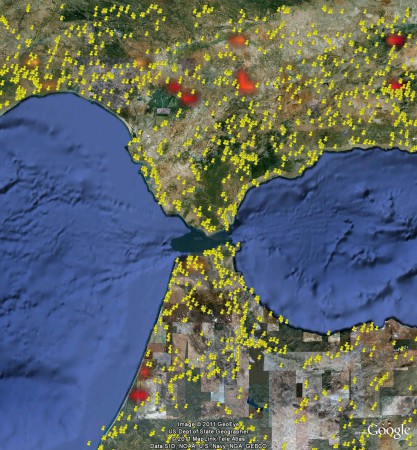
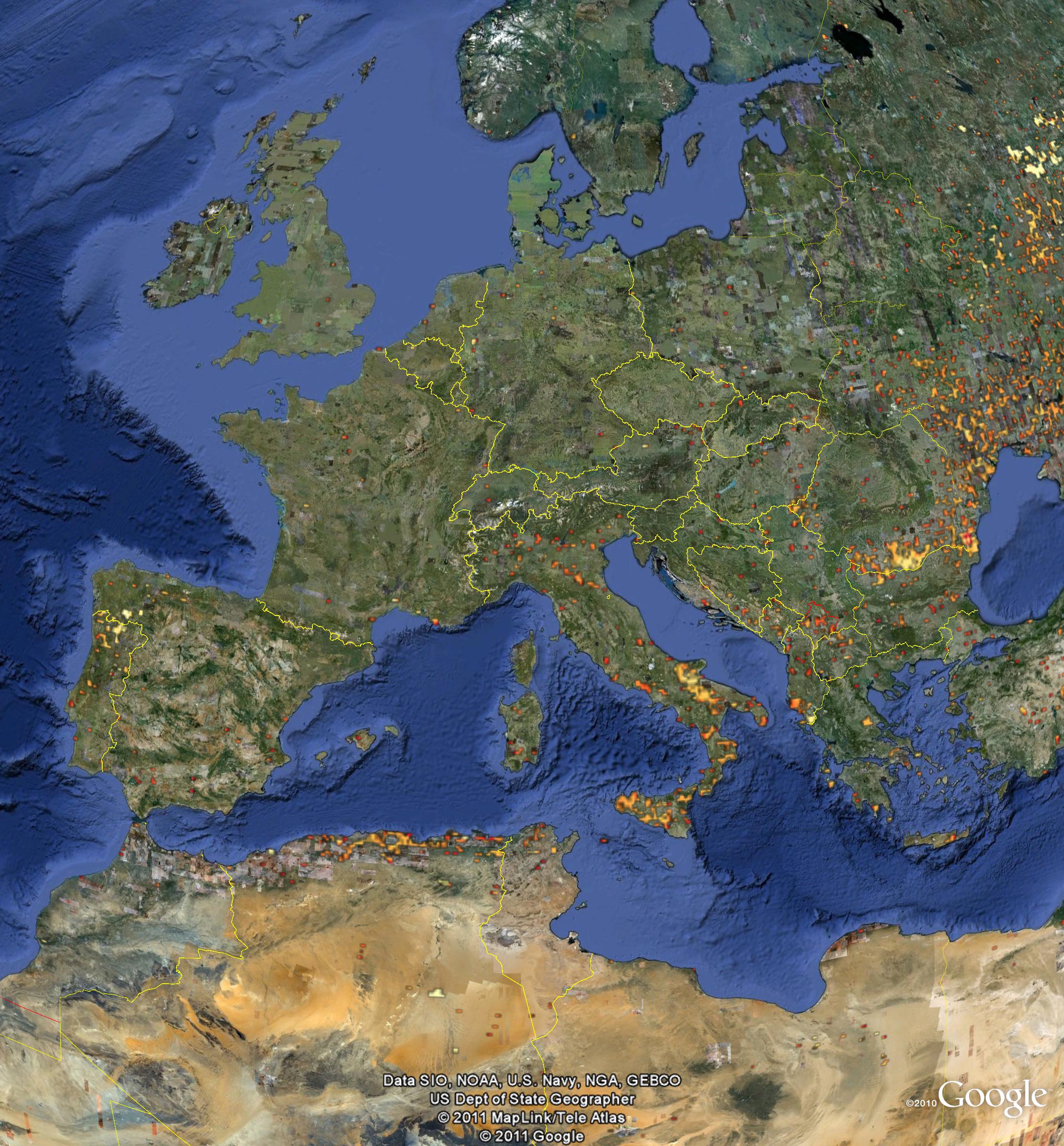
The llama dung story got me thinking about high-altitude maize. Maize is a tropical plant and it would have taken quite a bit of effort to get it adapted to high elevations. This is what Genesys knows about maize around the world:

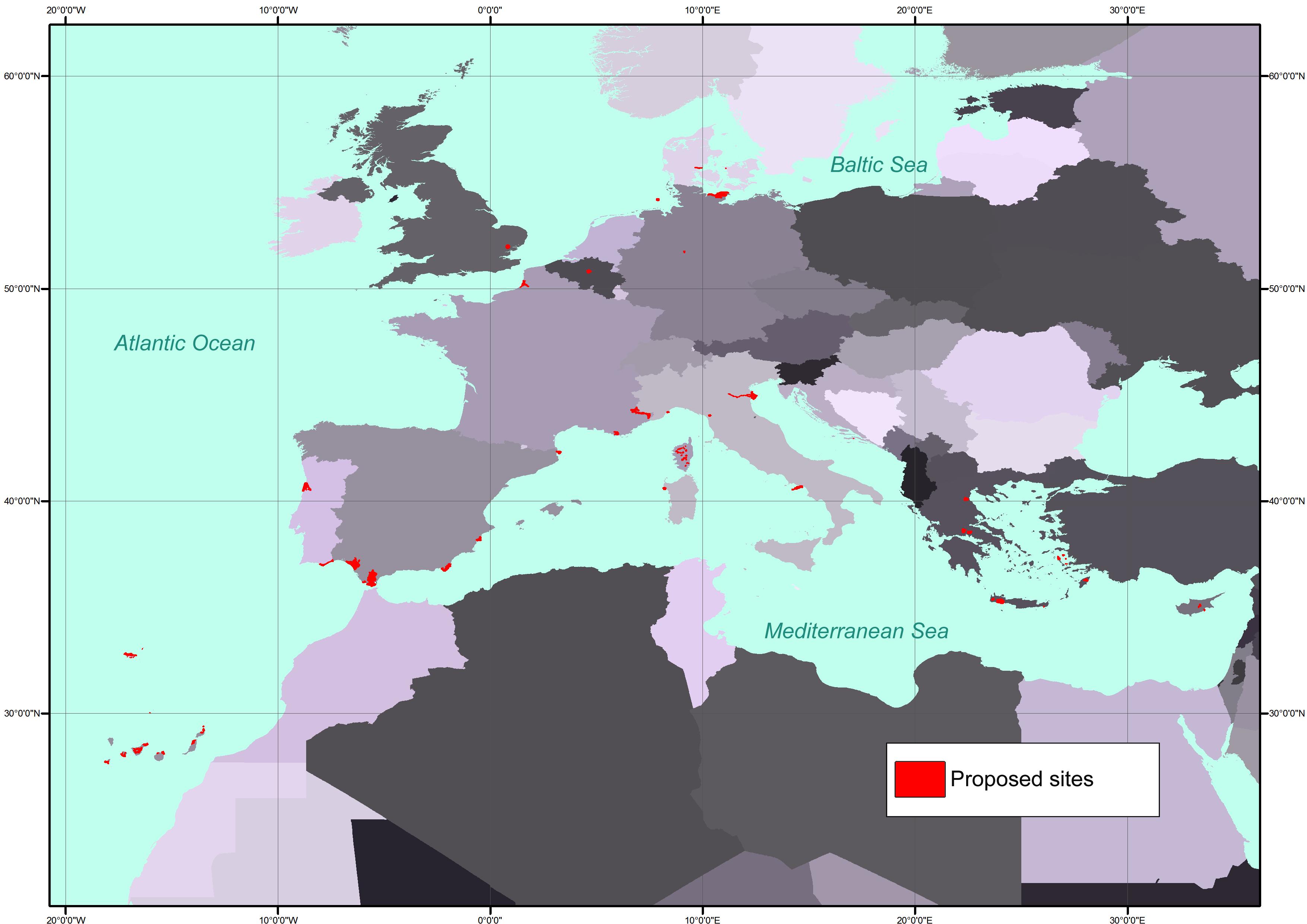
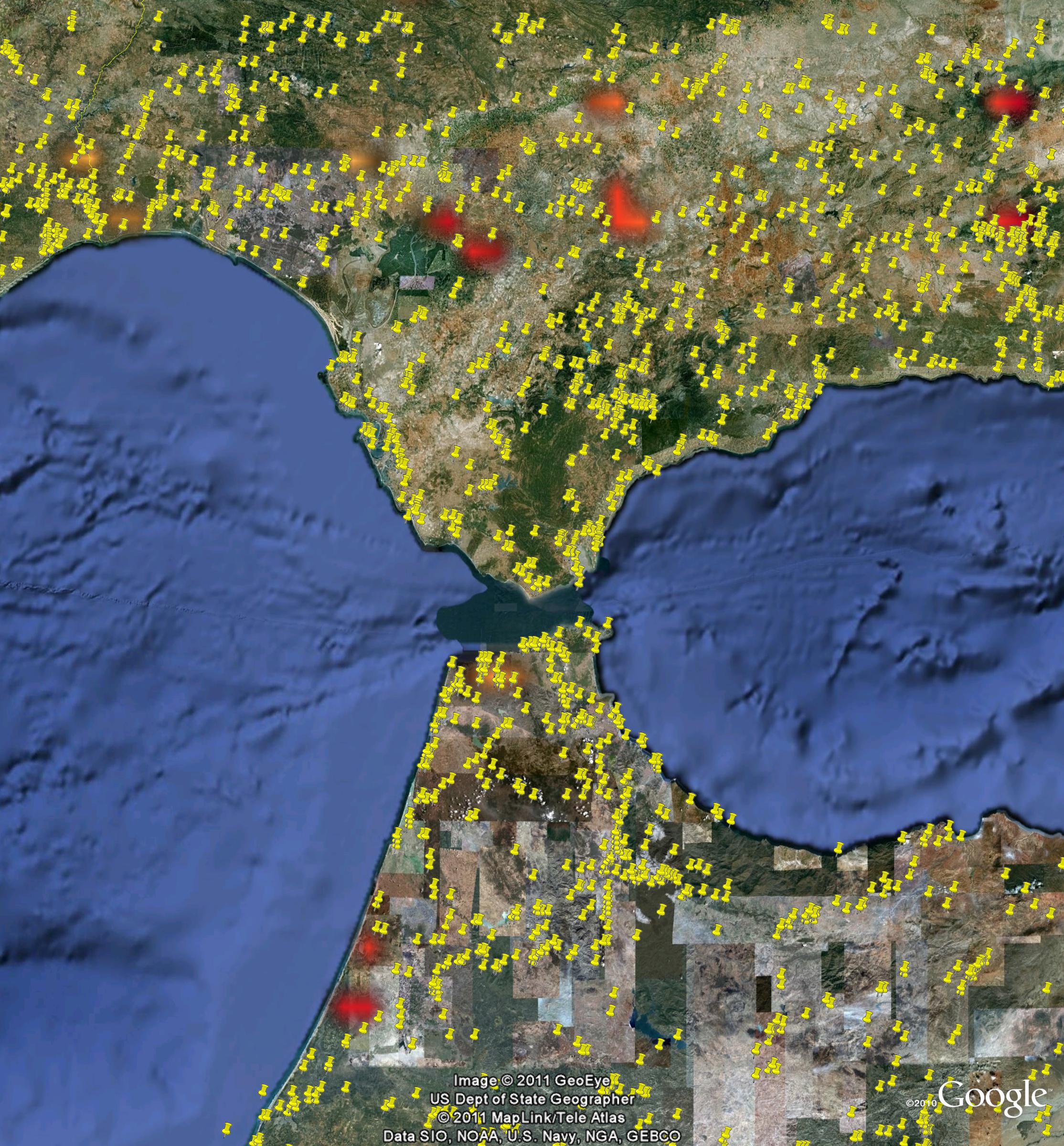
And this is (in red) where maize collected above 3,500 masl has been collected:

Those Andean agriculturalists obviously did a pretty good job of breeding maize to fit the new environment, and in fact still are.

LATER: As Jacob helpfully points out in a comment on this post, a 2002 paper confirmed, using microsatellites, that Andean maize is genetically quite distinct.

German lentils go back home

Before the introduction of the potato, Irish people included grain as a dietary mainstay, particularly oats. Oats were used in breads, desserts, drinks, medicines and cosmetics! Other grains that were grown included barley, flax, rye and some wheats. Unfortunately, many of these grain varieties were lost and we had to turn, primarily to the Vavilov Institute in Russia, the first genebank in the world, to repatriate our native grains. Michael Miklis in Piltown, Kilkenny, working with very small quantities of grain, over many years trialed them and bulked them up so that they could be resown on field scale again.

That reference to the Vavilov Institute on the Irish Seed Savers website reminded me of something similar they told me about the last time I was there.

Dr Margarita Vishnyaova, the head of the legume department, told me that they had recently “repatriated” some “German” lentils to a farmer cooperative in Baden-Wuerttemberg. The varieties in question are labelled “Späts Alpenlinse” (K2106, collected Hungary in 1965) and “Späths Albinse” (K2076, collected Czechoslovakia in 1963) in VIR’s records. Woldemar Mammel, a farmer from near Stuttgart had apparently been looking for these varieties in databases all over the place and eventually happened on them in the VIR online catalogue. They are old traditional varieties from the Swabian Alps which are no longer grown in Germany, or at least his part of them. The handover of the seed to Herr Mammel and a group of 15 other German organic farmers took place in Nov. 2007 at VIR, and was filmed by Slow Food Deutschland (Prof. Dr Roman Lenz, Dinah Epperlein). There are some photographs of the event on the Slow Food website. Sometimes genebank databases are good for something after all.

Organic breeding conferences

The European Consortium for Organic Plant Breeding (ECO-PB) has announced two up-coming meetings. One is dedicated to the European organic seed regime and the other one is a celebration of ECO-PB’s 10 year anniversary.

The Workshop on Organic Seed Regulation will take place at The Organic Research Centre near Newbury in England on 21-22 September 2011.

The 10-year shindig is scheduled for 3-4 November 2011 in Frankfurt am Main, Germany. That one has a call for papers, due by 15 June 2011.

ECO-PB is having a little trouble making the documents available at its website. As a service, here they are.

If you go, consider blogging for us.

Yes! We do have bananas

Almost a week ago we reported on the fabulous news that bananas, and especially the threat posed by a virulent new race of Fusarium wilt (better known as Panama disease)  1 had featured on BBC’s The One Show. That show, alas, is not available outside the UK without some very fancy jiggery pokery, which hoops everyone who wanted to see it would have had to jump through for themselves.  2 So, in a spirit of sharing and collective action for agrobiodiversity, we assembled a crack team of hoop-jumpers and did the jiggery pokery for you.

Here you go: Restaurant critic and all around good guy Jay Rayner comes to grips with the threat to bananas, aided and abetted by Pat Heslop Harrison, whose blog post on the subject we refer you to once again, just in case you want more on the topic than The One Show offered.

Was it worth it? Of course it was.