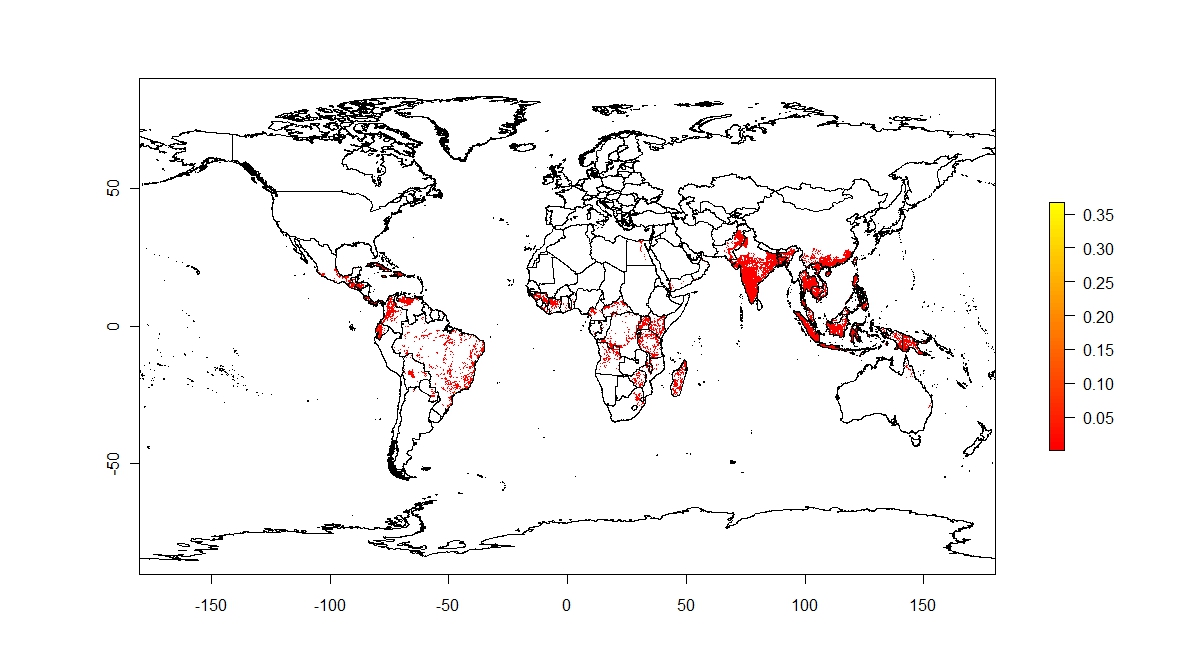
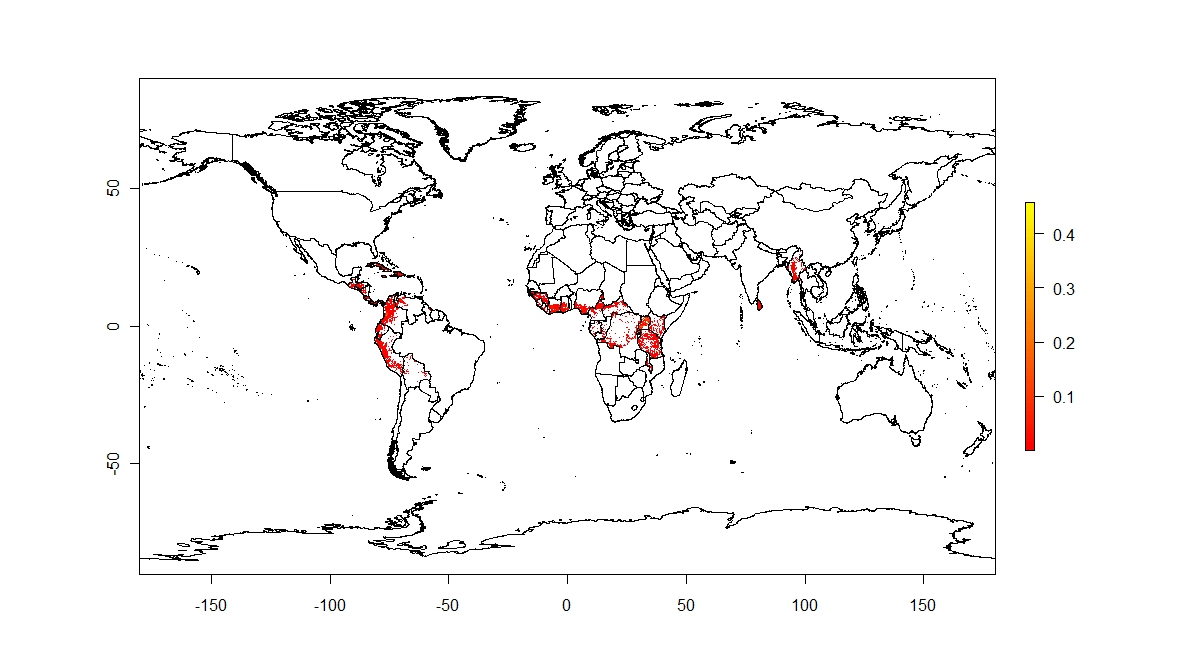
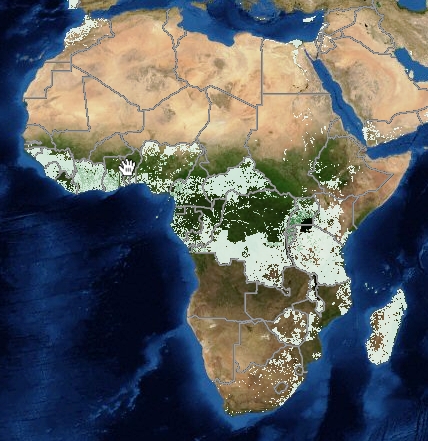
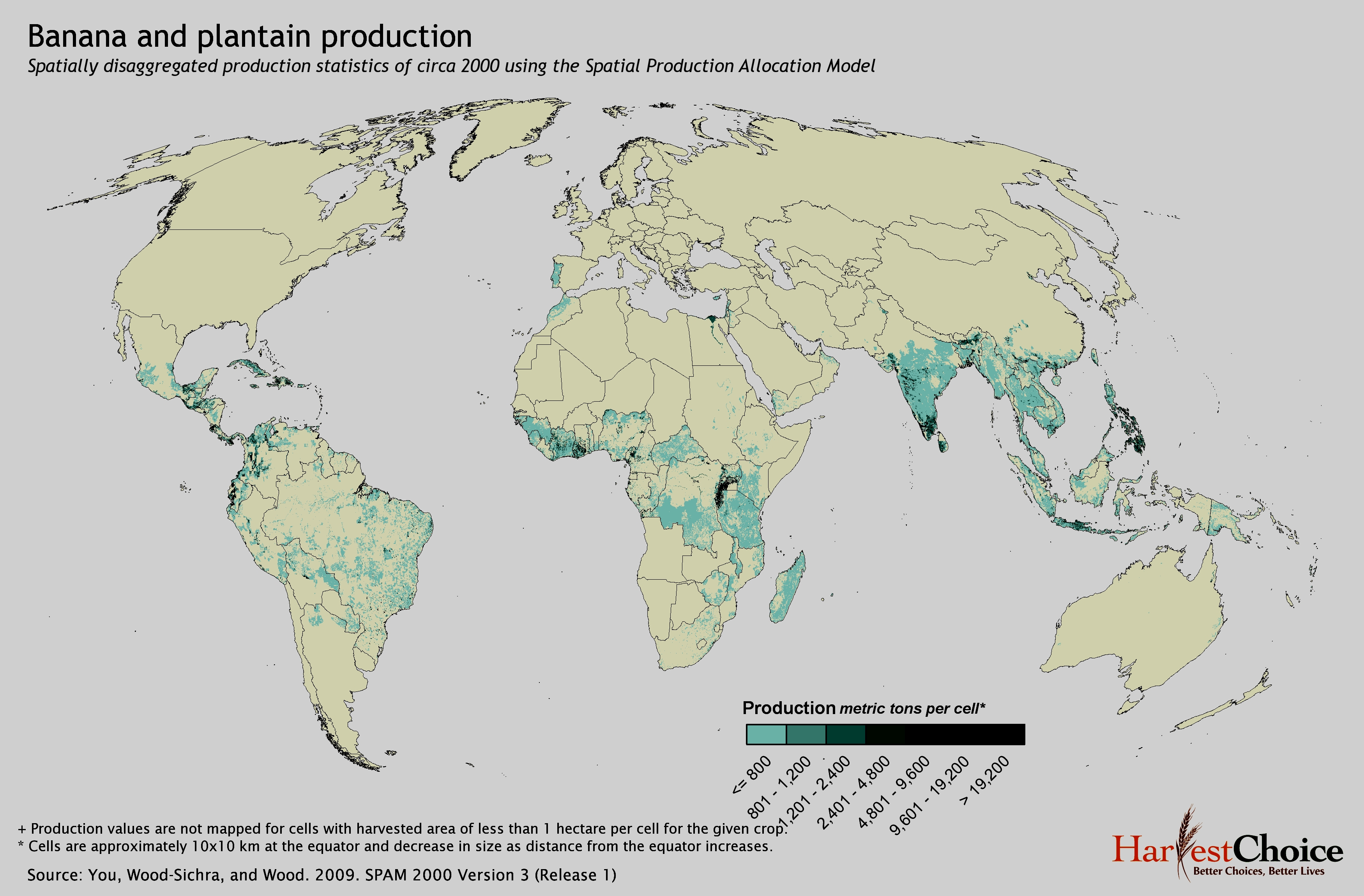
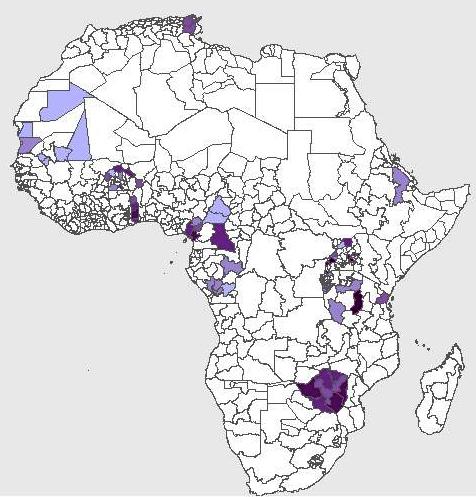
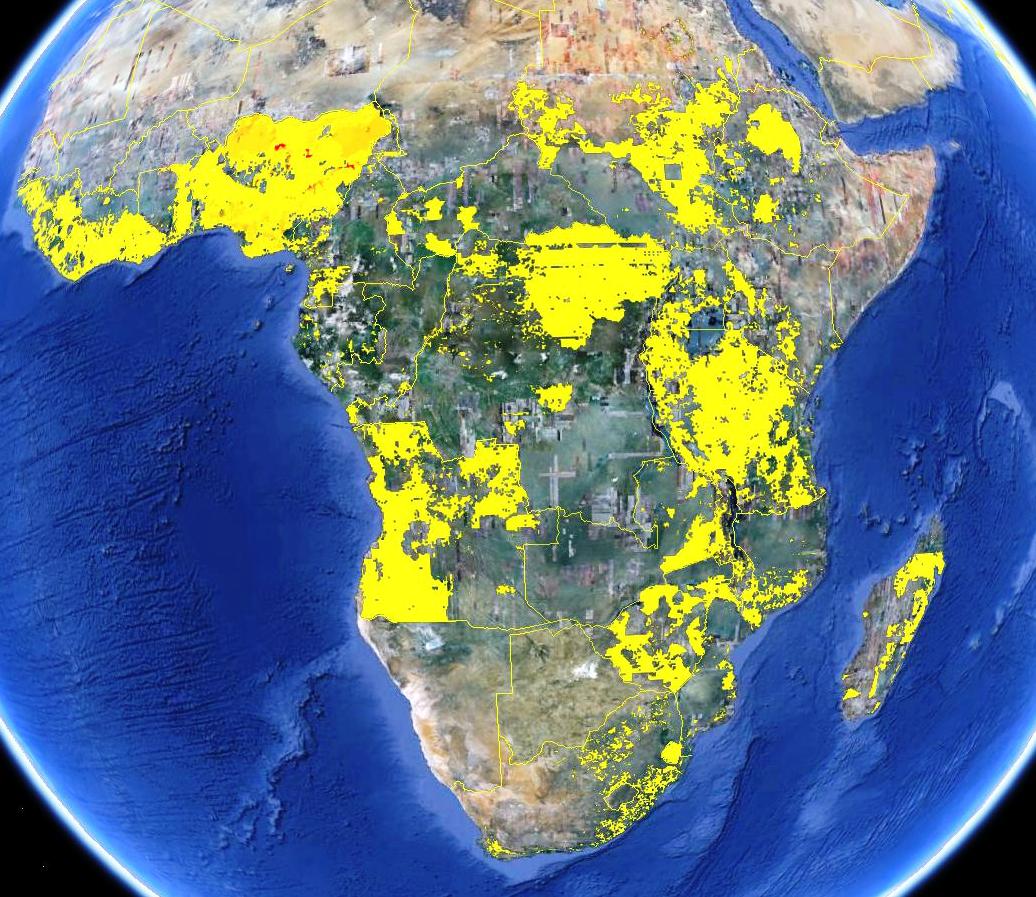
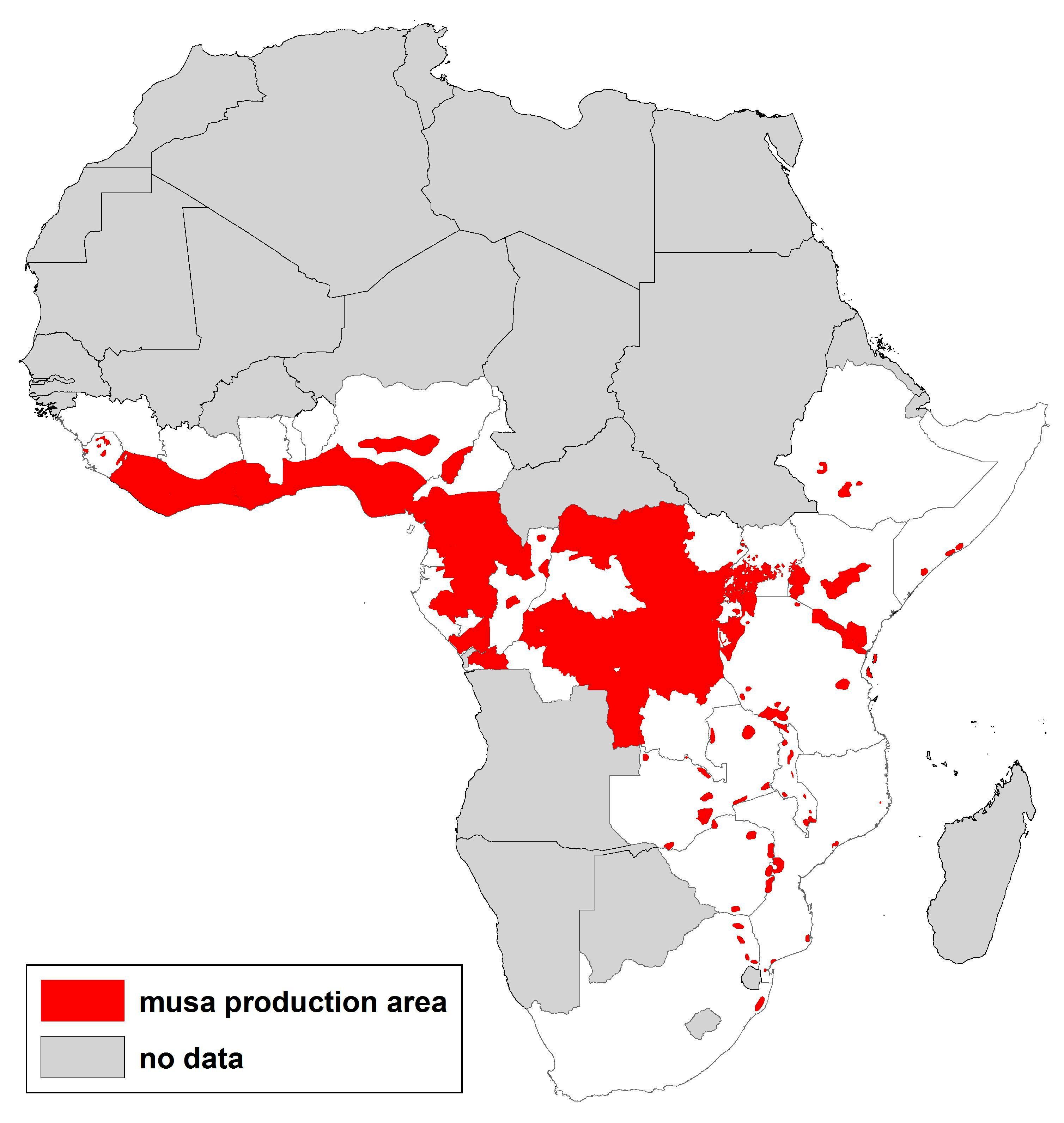
The astonishing enthusiasm for discussions of all things gap-filling shouldn’t be surprising. We need to know what grows where, where it is most diverse, and where we haven’t explored in sufficient depth. Seems to me that most of the underlying datasets depend on outsiders coming in (or sitting in front of their models) and figuring it out. Would it, I wonder, be possible to turn that model on its head?
What if farmers texted the name of the crops (and varieties?) they grow to some spiffy app that collected the coordinates of the sending phone and the data, maybe even using some assumptions about language based on coordinates to translate the crop name?
Telcos could underwrite the effort by donating the cost of the SMS to the apps number. Farmers could be encouraged by offering additional credits on their phone, subject to some scrutiny. And gap-fillers would rejoice.
The big downside, as I see it, is that there is no immediate benefit to the farmers supplying the data. Eventually they enjoy some of the benefits that filling the gaps will undoubtedly bring. But in the meantime, who’ll pay?